One of the benefits of the location on the Bedford Basin was its proximity to the city. Anyone who worked in Halifax could go to and from quickly. Despite this proximity, the residents of Africville quickly formed a vibrant community within their settlement, providing for themselves and their neighbours largely independently of the city and resisting assimilation.
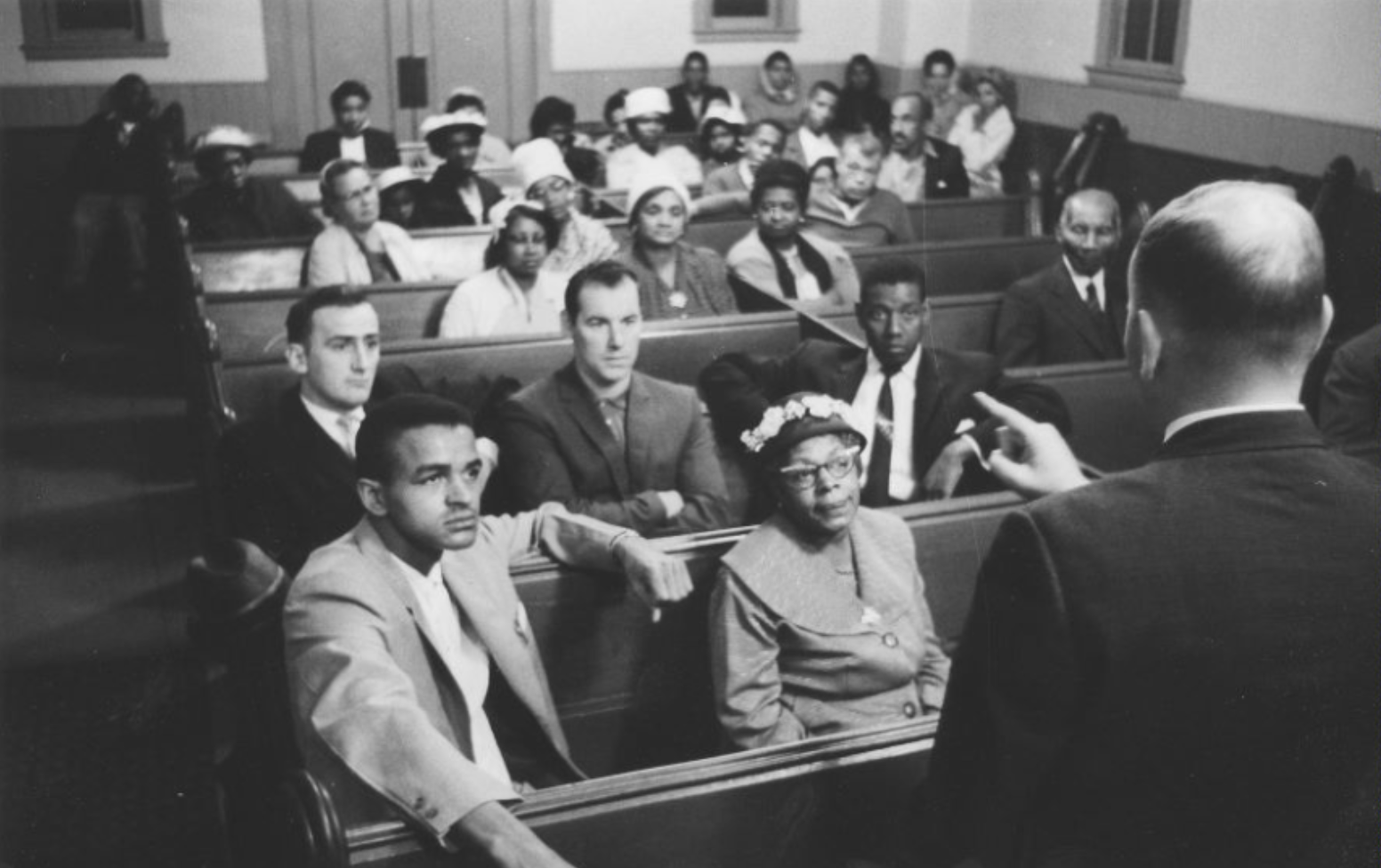
The beating heart of Africville was the Seaview United Baptist Church. Serving as a meeting place for not just masses but weddings, baptisms, and community events.
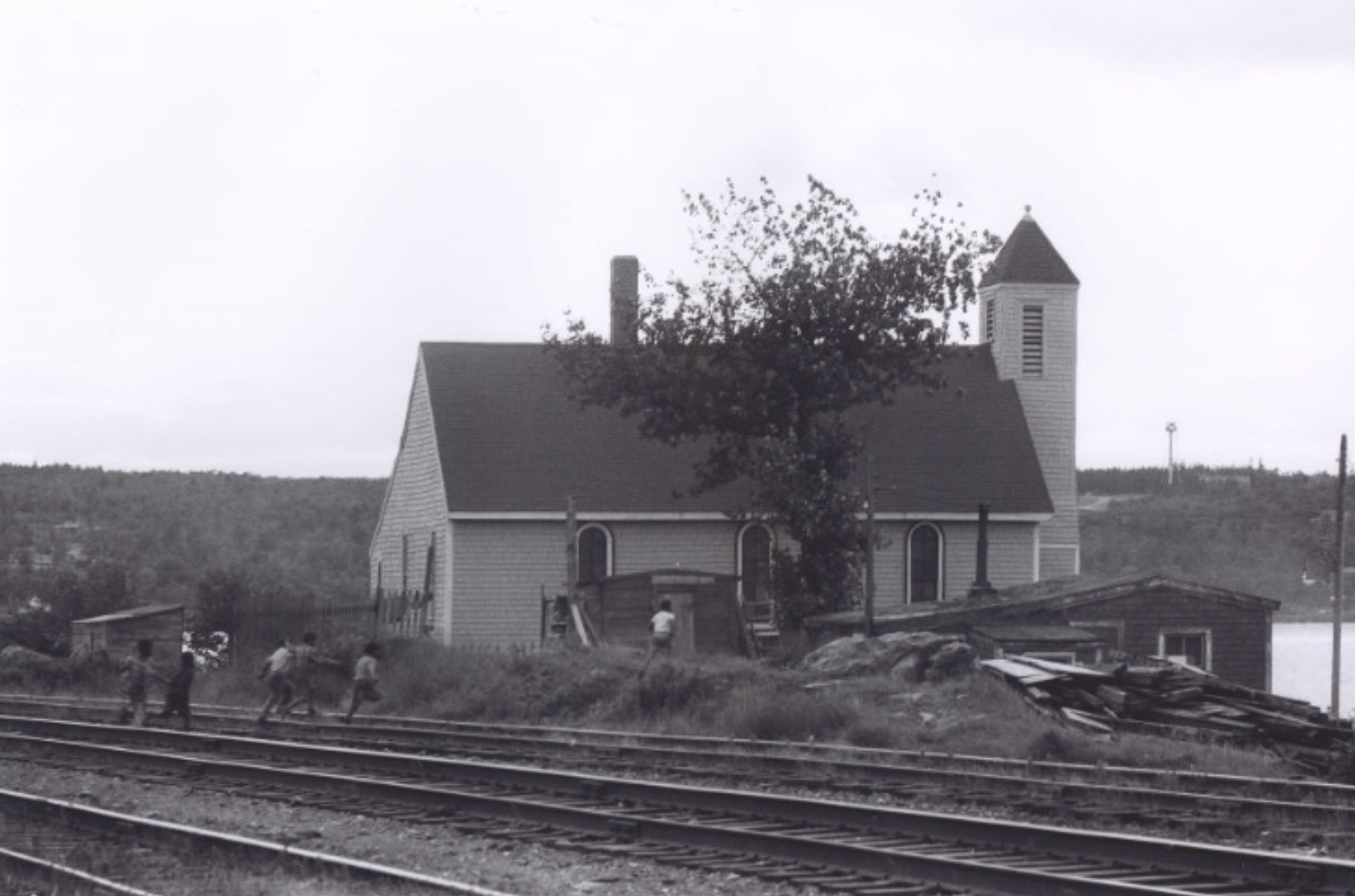
A group of children running towards the church ("Gone But Never Forgotten").
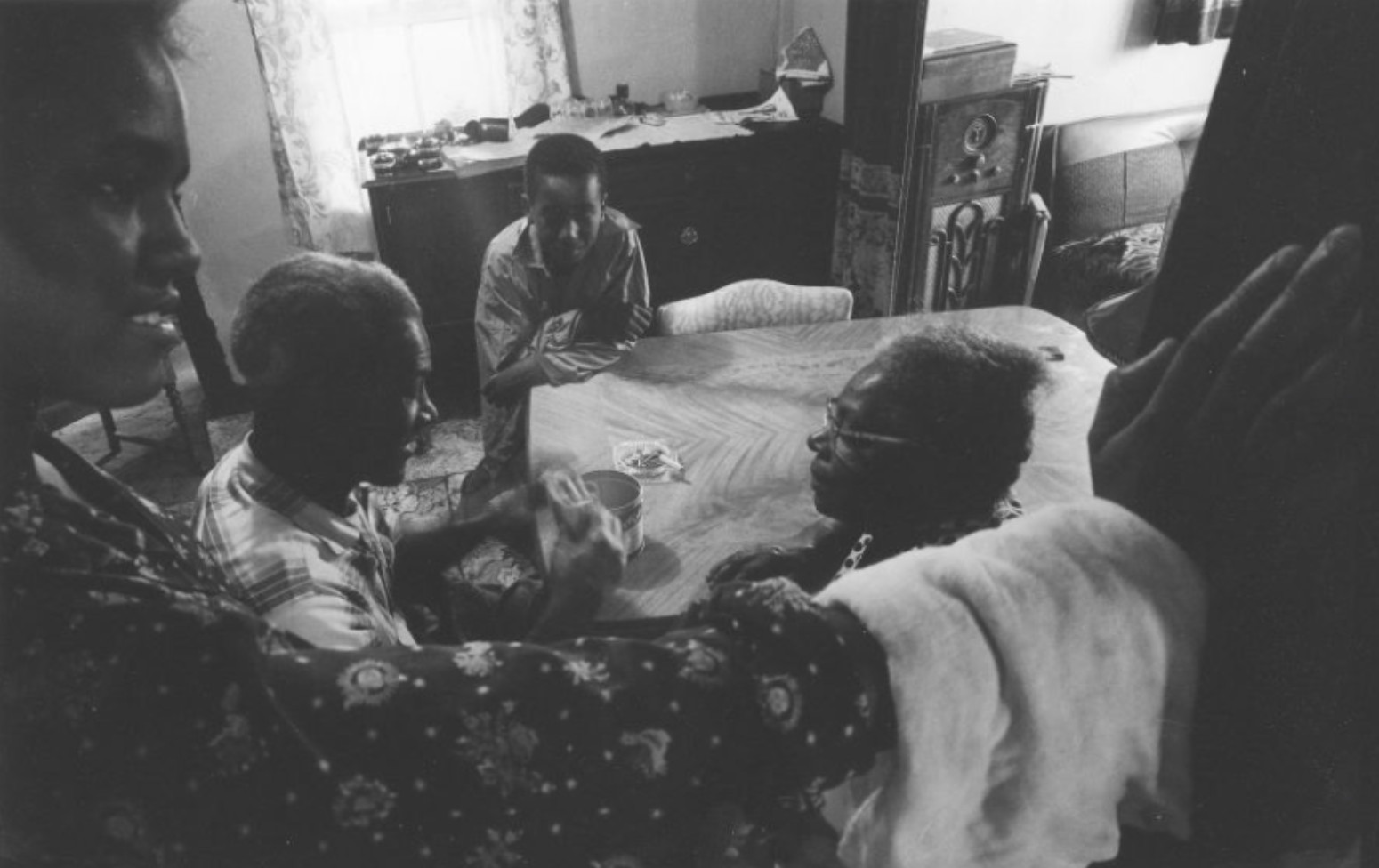
More generally, the church served as a place for anyone to go to when they wanted to be around others, but the communal hospitality extended to the entire village. Former residents recalled that “You always felt at home; the doors were always open” (McRae).
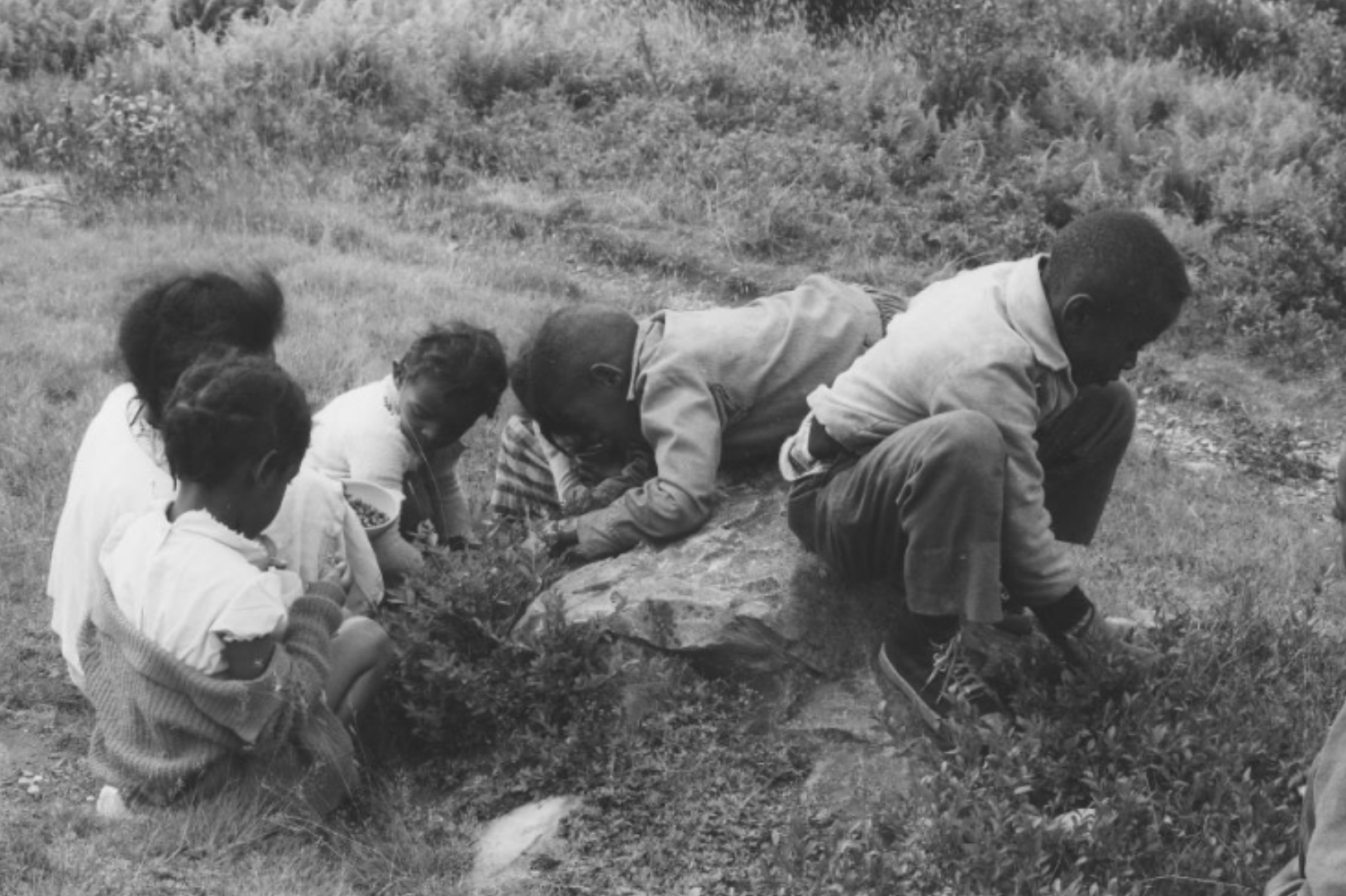
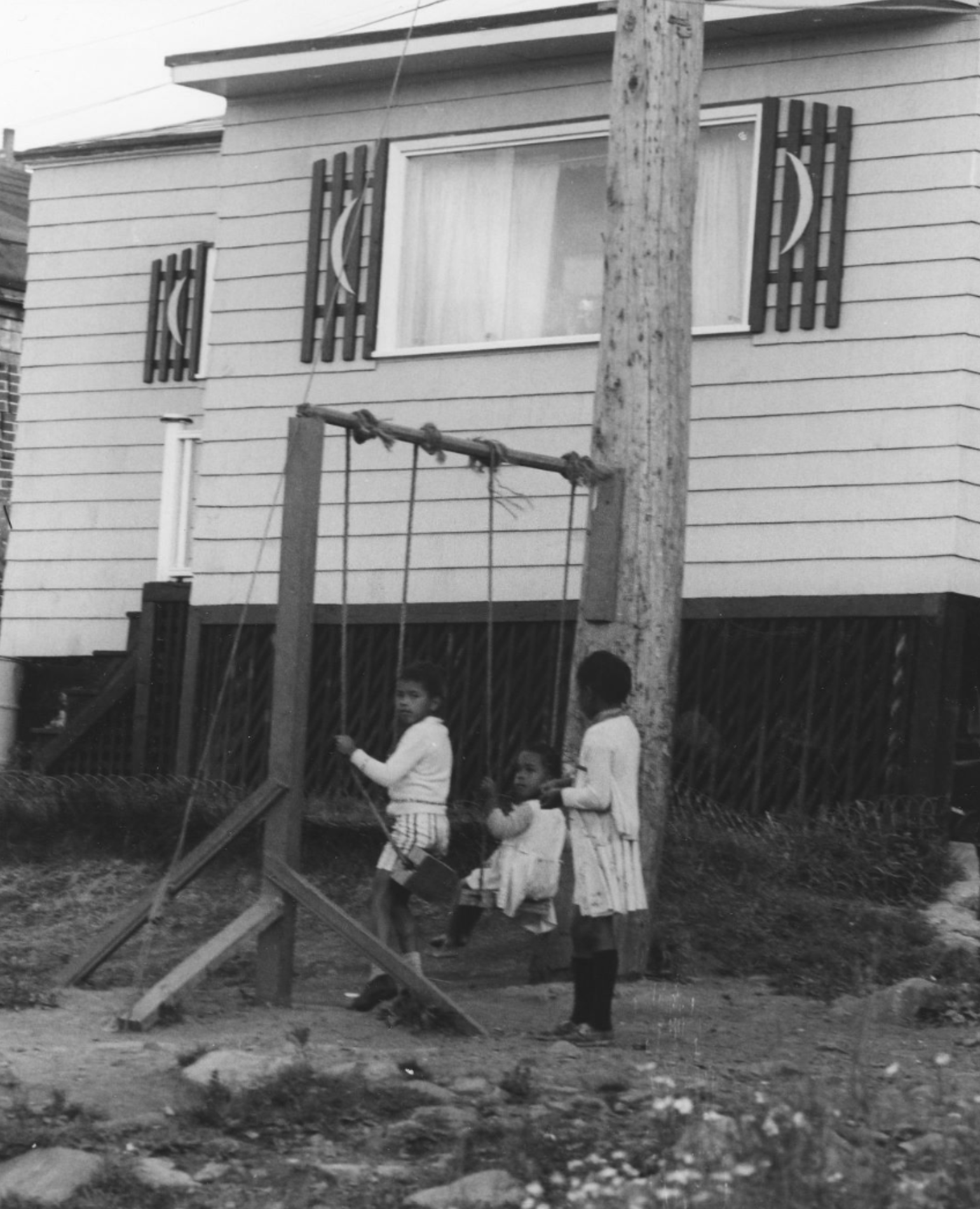
A group of children playing ("Gone But Never Forgotten").
Africville residents also integrated into the larger Black community in the Canadian Maritimes. Notably, the Africville Brown Bombers competed in the Colored Hockey League of the Maritimes (Tattrie).
All of this is not to say that the residents lived lavish lives. In interviews and censuses, they would often describe themselves as just getting by, but they were content with this fact. The wealth of community and belonging shared by the residents was something that city life couldn’t recreate for them.
“Living in Africville, we had our own home. It might not have been a mansion, but it was a home.
”
Ultimately, though Africville started as a settlement on the outskirts of Halifax, its residents felt that they were not just Haligonians, but members of their own community first and foremost, 400 members and 80 families strong (Tattrie).